Wondering what you should put on your restaurant website? For restaurant owners, having a strong online presence isn’t just about looking professional– it’s about standing out in a vibrant food scene that draws both locals and tourists. Whether you’re running a hot chicken joint or an upscale dining establishment, your website design needs to work hard to attract and convert visitors into customers.
In this blog post, the experts at 714WEB will discuss what you should put on your restaurant website to boost SEO and attract more customers.
Key Takeaways:
- A mobile-optimized website with fast loading times is crucial for capturing diners on the go.
- Professional food photography and detailed menu descriptions help showcase your unique offerings.
- Local SEO optimization helps you compete in the competitive restaurant scene.
- Customer reviews and testimonials build trust with potential diners.
- Clear contact information and directions make it easy for customers to find you.
What Should You Put on Your Restaurant Website? – 11 Key Elements
1. Mobile-Optimized Design
Ensure your website loads quickly and displays properly on all devices, but especially smartphones and tablets. To have a mobile-optimized design, you’ll need to have a responsive design, optimize images, and keep your navigation simple and intuitive.
Pay special attention to your site’s loading speed, as this is a crucial factor in both user experience and search engine rankings. Use compressed images, minimize unnecessary scripts, and consider implementing lazy loading for images further down the page. When visitors are walking around Broadway or the Gulch looking for a place to eat, you want your website to load instantly, regardless of their connection speed or device type.

Our SEO experts at 714WEB note,
“In the fast-paced dining scene, most potential customers are searching for restaurants on their phones while exploring the city.”
2. Clear Contact Information and Hours
Make it incredibly easy for customers to find your basic information. Display your phone number, email, and operating hours prominently on every page. Consider adding a sticky header or footer with this essential information so visitors don’t have to hunt for it.
Include your operating hours for holidays and special events, as this is particularly important during busy festival seasons.
3. Location and Directions
Your address should be prominently displayed, along with an embedded Google Map. Include parking information, especially if you’re located in busy areas with high traffic levels.
Add landmarks and reference points to help tourists find you easily. This information should be formatted consistently across your website and Google Business Profile for better local SEO results.
4. Comprehensive, Searchable Menu
Your menu should include detailed descriptions of each dish, accurate prices, and high-quality photos. Be sure to include common search terms tailored to your location. These should fit naturally in your descriptions. For example, “Nashville hot chicken” or “best brunch in Nashville.”
In addition, make sure your menu is easy to navigate and searchable. Consider breaking your menu into clear sections and include filters for dietary restrictions such as vegetarian, vegan, gluten-free, and allergen-free options.
This not only helps customers find exactly what they’re looking for but also improves your website’s searchability.
Include both lunch and dinner menus if applicable and clearly mark seasonal or rotating specials. If you offer catering or special event menus, create separate pages for these to maximize your SEO potential and make it easier for customers to find specific information.
Our SEO team at 714WEB explains,
“A well-organized, keyword-rich menu is one of your website’s most powerful SEO tools.”
5. Online Ordering System
A user-friendly online ordering system is no longer optional. Our SEO team at 714WEB states,
“Restaurants that don’t offer online ordering are missing out on a significant portion of potential customers.”
Ensure your online ordering system is integrated seamlessly with your website and works efficiently during peak hours. It should also integrate smoothly with your point-of-sale system and provide clear estimates for preparation times. Include options for pickup and delivery, if available, and make sure customers can easily modify their orders or add special instructions.
Consider offering the ability to schedule orders in advance, which is particularly useful for lunch crowds in business districts or busy tourist areas.
6. High-Quality Visuals
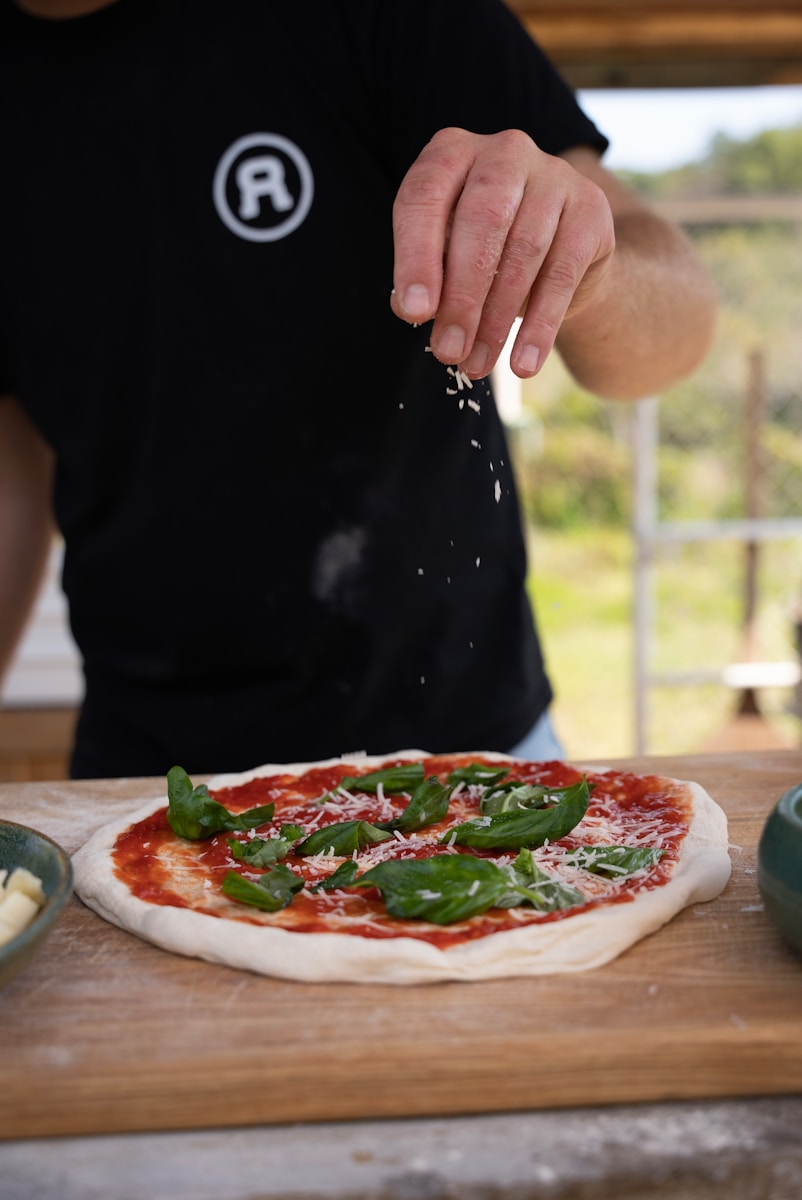
Professional photos of your food, interior, and atmosphere are essential. Include shots of your dining areas, bar (if applicable), and any unique architectural features. These visuals help potential customers envision their dining experience and can significantly impact their decision to visit.
7. Brand Story
Share what makes your restaurant unique. Our 714WEB experts note,
“Your restaurant’s story helps create an emotional connection with potential customers before they ever walk through your doors.”
Whether you’re new to the food scene or a long-standing establishment, authenticity in telling your story matters more than you may think.
8. Events and Promotions
Create a dedicated page for special events, happy hours, and promotions. This page should be regularly updated and optimized for local searches. Include information about catering services, private dining options, and any special event packages you offer.
Make sure your events page includes a calendar feature that’s regularly updated with events such as live music performances, special tasting events, or holiday celebrations. If you participate in local food festivals or restaurant week, be sure to highlight these special occasions.
Consider creating dedicated landing pages for specific events or seasonal promotions, as these can be powerful tools for capturing search traffic during particular times of the year.
9. Customer Reviews and Testimonials
It’s also important for your website to display genuine customer reviews.
Our SEO experts at 714WEB explain,
“In the restaurant industry, social proof is one of your most powerful marketing tools.”
Include a mix of reviews that highlight different aspects of your restaurant – food quality, service, atmosphere, and overall experience. Consider implementing a system to regularly update your reviews section with fresh content from various platforms.
While you should feature positive reviews, keep in mind that including a few constructive reviews and your professional responses to them can actually build trust with potential customers. This transparency shows that you take customer feedback seriously and are committed to maintaining high standards.
10. Keyword Optimization
Incorporate relevant keywords naturally throughout your website content. Focus on local terms that diners in your area might use to find restaurants like yours, such as:
- Neighborhood-specific terms
- Cuisine types
- Popular local search phrases
11. Fresh, Engaging Content
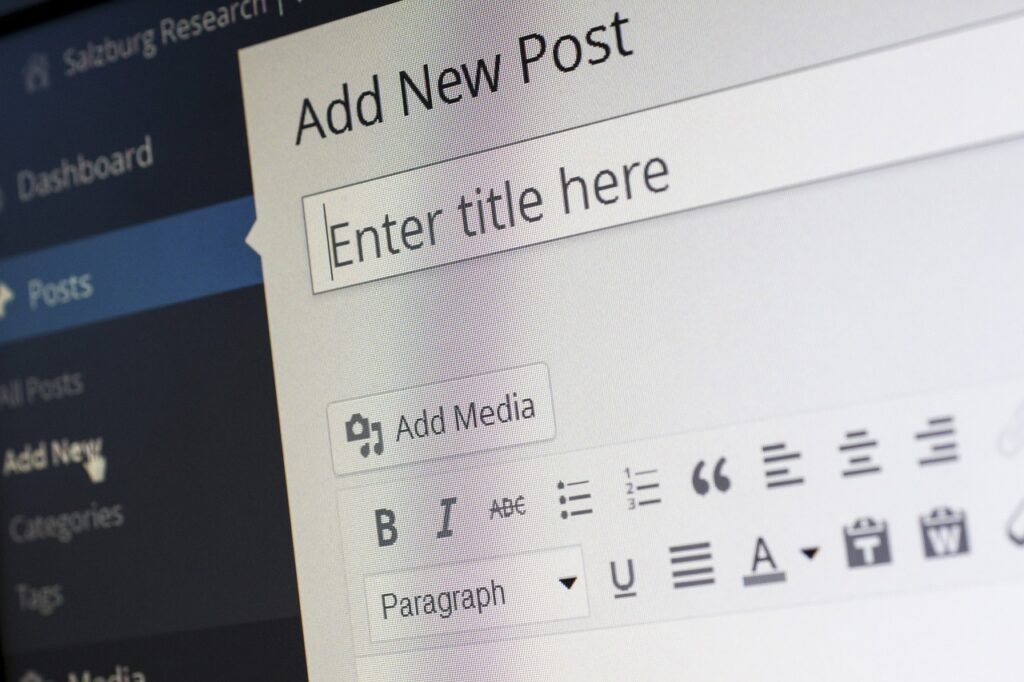
Lastly, be sure to regularly update your website with new content. This could include blog posts about upcoming events, seasonal menu changes, and/or behind-the-scenes looks at your restaurant. Fresh content helps with SEO rankings and gives customers a reason to return to your website.
It can also be a good idea to create content that ties into your area’s seasonal events and festivals, as this can help capture search traffic during peak tourism periods. Share recipes, cooking tips, or behind-the-scenes content that gives visitors a reason to engage with your website beyond just viewing the menu or making a reservation.
You might also consider featuring staff profiles, highlighting your involvement in local food events, or sharing stories about your ingredients and suppliers, particularly if you source from local Tennessee farms or producers.
By implementing these elements on your restaurant website, you’ll create a powerful online presence that attracts both locals and tourists. Remember to keep your content fresh, authentic, and optimized for local searches.
Contact the Restaurant Web Design Experts at 714WEB
At 714WEB, we specialize in helping restaurants figure out what to put on their restaurant websites. Our team of experts can help you craft an optimized website that resonates with your target audience. From multimedia integration to strategic content creation and SEO, we have the skills and knowledge to bring your restaurant to life online.
Don’t let your restaurant get lost in the digital shuffle. Contact 714WEB today for a free consultation and discover how we can help you create a mobile-optimized website that not only tells your story but also drives more loyal diners to your tables.
Frequently Asked Questions About What to Put On Your Restaurant Website
How important is having a mobile-friendly website for my restaurant?
Mobile-friendly websites are absolutely critical, as most restaurant website visits typically occur on mobile devices. A responsive design ensures customers can easily view menus, make reservations, and access contact information from their smartphones. Websites that aren’t mobile-optimized risk losing potential customers who will quickly navigate away from difficult-to-use sites. As a result, this can lower search engine rankings.
What specific menu information should I include on my website?
Your menu should include detailed descriptions of each dish, including ingredients, portion sizes, and pricing. High-quality, professional photos of menu items can significantly increase customer engagement and interest. Additionally, include dietary information like vegetarian, vegan, gluten-free, or allergen details to help customers make informed choices.
How can I use my website to improve customer engagement?
Your website should tell your restaurant’s unique story, showcasing your brand’s personality and culinary philosophy. Include customer testimonials, professional photos of your restaurant’s interior and exterior, and information about your chef or culinary team. Consider adding a blog or events page to keep content fresh and give customers a reason to return to your website.
Glossary
1. User Experience (UX): The overall experience a customer has when interacting with a restaurant’s website, including ease of navigation, visual appeal, and functionality. Good UX design ensures customers can easily find information, make reservations, or place orders with minimal frustration.
2. Local SEO: A strategy focused on optimizing a website to be found in local search results. It’s particularly important for restaurants targeting customers in a specific geographic area. This includes claiming Google My Business listings, including location-specific keywords, and ensuring consistent contact information across online platforms.
3. Responsive Design: A website design approach that ensures web pages automatically adjust and look good on any device, from desktop computers to mobile phones. This is crucial for restaurant websites, as a significant number of users access restaurant sites from mobile devices.

Jeremy Caris
With a disciplined background in the military and over 30 years in design and development, Jeremy serves as the technical backbone of 714Web. He has managed, designed, and launched over 300 website projects in the last decade alone. Currently, Jeremy leads the agency’s initiatives in AI development and custom solutions, leveraging ten years of Senior Developer experience to ensure client infrastructure is not just functional, but cutting-edge and scalable. Read more...