Not sure what should be on the home page of a restaurant website? With Music City’s restaurant landscape becoming increasingly competitive, having a well-designed website home page isn’t just a luxury– it’s essential for survival. Your restaurant’s home page serves as a digital storefront, making that crucial first impression on potential diners searching for their next memorable meal.
In this blog post, the experts at 714WEB will discuss what should be on the home page of a restaurant website.
Key Takeaways:
- Essential contact information and hours should be immediately visible.
- High-quality food photography showcasing signature dishes is crucial.
- Clear calls-to-action for reservations and online ordering should also be prominent across the home page.
- Mobile-friendly design is a non-negotiable for diners.
What Should Be on The Home Page of a Restaurant Website? – 7 Key Elements
1. Core Contact Information

The first thing your home page should prominently display is your address, phone number, and business hours. It can also help to include references to popular landmarks or neighborhoods, such as “5 minutes from Broadway” or “heart of 5 Points.” This can help orient both locals and tourists.
The SEO experts at 714WEB explain,
“The first thing visitors look for on a restaurant website is basic contact information – think of it as your digital business card.”
2. Visual First Impressions
Your home page should immediately communicate your restaurant’s atmosphere through high-quality imagery. Whether you’re a high-end steakhouse in The Gulch or a casual brunch spot in 12 South, your visual elements should match your dining experience. This includes:
- Professional photos of signature dishes
- Images of your dining space during peak hours
- Pictures showcasing your restaurant’s unique atmosphere
- Visual highlights of any outdoor seating or special features
3. Navigation and Menu Access
Your website should have a menu easily accessible from the home page, preferably with a prominent button or link in the main navigation. Consider creating separate menu sections for:
- Brunch
- Happy hour specials
- Regular breakfast, lunch, and/or dinner menus
- Drink menus
- Menus with special dietary options
- Seasonal offerings
- Catering options
The experts at 714WEB note,
“A restaurant website’s navigation should be as well-organized as the kitchen during dinner service.”
4. Action-Oriented Elements
Your home page should make it effortless for visitors to take the next step, whether that’s making a reservation, placing a takeout order online, or walking in. Include clear calls-to-action for:
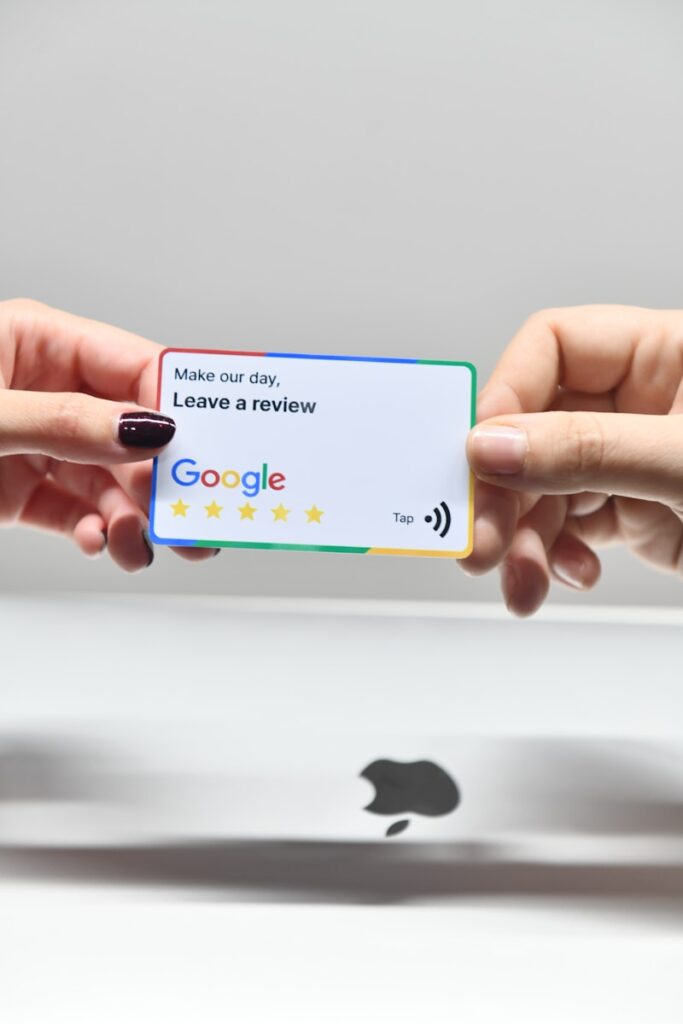
- Online Reservations: Consider your local audience when selecting reservation platforms. Many diners prefer OpenTable or Resy, so choose a system familiar to your target market.
- Online Ordering: With the growth of food delivery, it’s important to make your takeout options clear. Whether partnering with delivery services or handling orders in-house, the process should be straightforward for customers.
5. Social Proof and Local Connection
It’s also important for your home page to include customer reviews, any press or awards, and ways for people to connect with your restaurant. Our team at 714WEB add,
“No matter where you’re located, diners trust local opinions– your website should showcase your connection to the community.”
Elements that can build trust and promote connection with customers are:
- Recent press coverage or awards
- Links to social media profiles
- Customer testimonials
- Local partnerships or involvement with community organizations or charities
6. Mobile-First Design Considerations
Your home page must perform flawlessly on mobile devices. The majority of searches for restaurants occur on mobile devices when customers are on the go. For this reason, it’s essential for your website and home page to be optimized for smartphone screens. Ensure your mobile-first website design includes the following:
- Easy-to-tap buttons
- Quick-loading images
- Simplified navigation
- Click-to-call functionality

7. Local SEO Elements
Incorporate location-specific keywords naturally throughout your home page content. Mention nearby attractions, local events, or neighborhood characteristics that might draw diners to your location. This helps your website rank higher in local search results.
Contact the Restaurant Home Page Design Experts at 714WEB
At 714WEB, we specialize in helping restaurants design SEO-optimized home pages that stand out from the digital crowd. Our team of experts can help you craft an optimized website that resonates with your target audience, no matter what device they’re using. From multimedia integration to strategic content creation and SEO, we have the skills and knowledge to bring your restaurant to life online.
Don’t let your restaurant get lost in the digital shuffle. Contact 714WEB today for a free consultation and discover how we can help you create a mobile-optimized home page that not only tells your story but also drives more diners to your tables.
Frequently Asked Questions About Restaurant Website Home Pages
What makes a restaurant home page effective for SEO?
An effective restaurant home page includes local keywords, mobile optimization, clear contact information, and regular content updates. These elements help search engines understand your restaurant’s relevance to local searches.
How often should I update my restaurant’s home page?
Regular updates keep your website fresh for both visitors and search engines. Update seasonal menus, special events, new photographs, new reviews, and any changes to hours or services.
What’s the most important element on a restaurant home page?
While all elements are important, clear contact information and easy menu access are crucial for converting website visitors into dining customers.
Glossary
1. Above the Fold: The portion of your home page that’s visible without scrolling further down. This is where all of your most crucial information should be placed.
2. Mobile Responsiveness: A website’s ability to automatically adjust its layout for optimal viewing on any device.
3. CTR (Click-Through Rate): The percentage of people who click on your website when it appears in search results.

Jeremy Caris
With a disciplined background in the military and over 30 years in design and development, Jeremy serves as the technical backbone of 714Web. He has managed, designed, and launched over 300 website projects in the last decade alone. Currently, Jeremy leads the agency’s initiatives in AI development and custom solutions, leveraging ten years of Senior Developer experience to ensure client infrastructure is not just functional, but cutting-edge and scalable. Read more...