What are the key elements that make a restaurant website successful? In today’s digital age, having a strong online presence is crucial to attracting new customers and maintaining relationships with existing ones. From fine dining establishments to cozy cafes, a well-designed website can be the difference between a fully booked evening and empty tables.
In this blog post, the experts at 714WEB will discuss the key elements that make a restaurant website successful.
A professional, mobile-friendly website that reflects your restaurant’s atmosphere is essential for making a strong first impression on customers.
High-quality visuals and up-to-date information, including menus and hours, are crucial for engaging potential customers.
Online ordering and reservation systems integrated into the site are key for improving customer experience and increasing conversions.
What are the Key Elements That Make a Restaurant Website Successful? – 7 Factors
1. Brand Representation and Visual Appeal
Just as your restaurant’s physical entrance sets the tone for the dining experience, your website serves as the digital front door to your brand. As the SEO experts at 714WEB note,
“Your website needs to capture the essence of your restaurant’s atmosphere within seconds of a visitor landing on your homepage.”
Your website should be an authentic extension of your restaurant’s personality. Whether you’re a trendy hot chicken joint or an upscale steakhouse, your site’s design should align with your overall atmosphere and target audience.
Professional photography is the best way to create visual appeal. High-quality images of your signature dishes, interior space, and even your team can help potential customers envision their dining experience.
The experts at 714WEB add,
“The right visual elements can help viewers imagine the taste of your food and compel them to make a reservation.”
2. Essential Information and Functionality
Modern diners expect certain basic information to be readily available on your website, such as:
Current menus with accurate prices
Hours of operation
Location details
Contact information
Reservation policies
Special event information
Catering options
Parking information (especially crucial for busy locations)
3. User Experience and Mobile Optimization
In the mobile-first era, your website must perform flawlessly on smartphones and tablets. The SEO experts at 714WEB emphasize,
“Mobile optimization isn’t just about making your site work on phones– it’s about creating an experience that converts on-the-go browsers into diners.”
Navigation should be intuitive, with clear paths to crucial information. Important features like online ordering buttons and reservation systems should also be prominently displayed and easy to use on any device.
4. Online Ordering and Reservation Integration
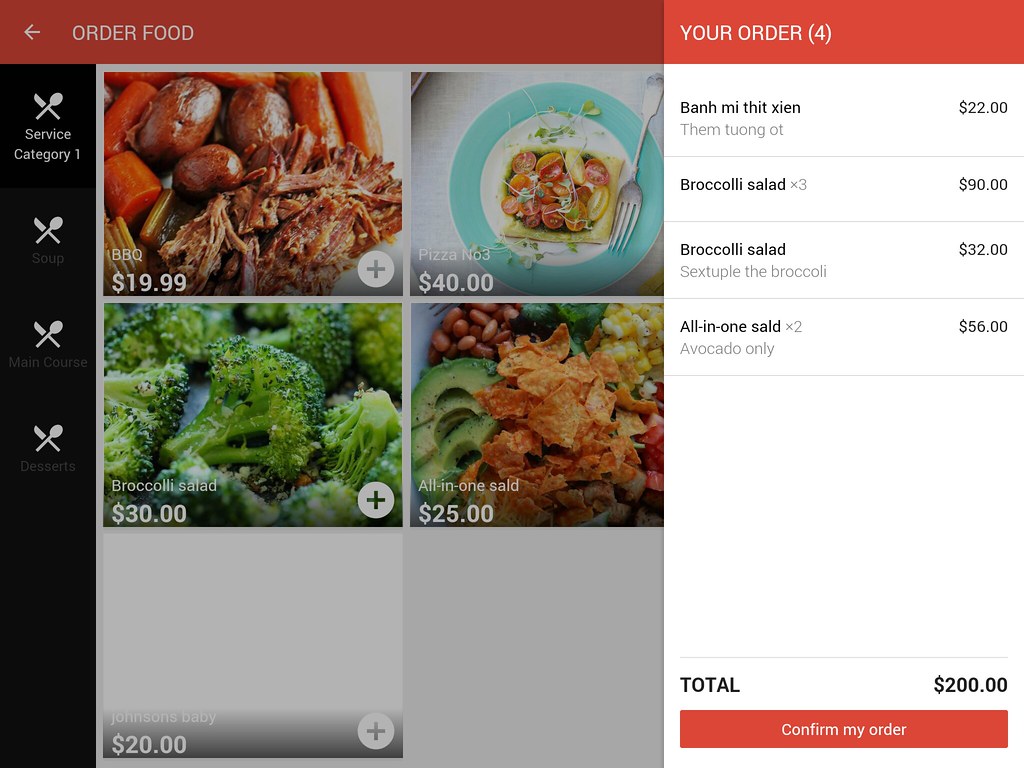
Today’s diners appreciate the convenience of making reservations or placing orders directly through your website. Whether you’re using a third-party or your own proprietary system, the process should be seamless and user-friendly.
This functionality is particularly important during peak tourist seasons or major events in your area, when dining spots are more likely to fill up fast.
5. Local SEO and Digital Marketing
Your website needs to be discoverable when potential customers search for restaurants in your area. The team at 714WEB notes,
“A well-optimized restaurant website isn’t just about looking good – it’s about being found by the right people at the right time.”
To boost your website’s search engine optimization (SEO) follow these best practices:
Incorporating relevant local keywords
Creating relevant content
Setting up a Google Business Profile and social media pages
Optimizing user experience
Ensuring fast load times
6. Social Proof and Community Connection
Include reviews and customer-created content that showcases your restaurant’s role in your community. Customer reviews, awards, and press mentions help build trust with potential diners. In addition, integrate your social media feeds to show real-time engagement and keep your website content fresh.
7. Maintaining Website Health
A successful restaurant website isn’t a “set it and forget it” project. Regular updates to menus, specials, content, and keywords keep your site relevant and engaging. Outdated information can frustrate potential customers and damage your reputation.
A successful restaurant website combines attractive design, practical functionality, and strategic optimization to attract and convert visitors into diners. By focusing on these key elements while maintaining your restaurant’s unique personality, you can create a digital presence that supports and grows your business in the competitive dining scene.
Contact the Restaurant Web Design Experts at 714WEB
At 714WEB, we specialize in helping restaurants make their websites successful. Our team of experts can help you craft an optimized website that resonates with your target audience, no matter what device they’re using. From multimedia integration to strategic content creation and SEO, we have the skills and knowledge to bring your restaurant to life online.
Don’t let your restaurant get lost in the digital shuffle. Contact 714WEB today for a free consultation and discover how we can help you create a mobile-optimized website that not only tells your story, but also drives more diners to your tables.
Frequently Asked Questions About Restaurant Websites
How can I make my restaurant’s website stand out from competitors?
To stand out, focus on showcasing your restaurant’s unique personality. Use high-quality, original photos of your food and interior dining areas. In addition, share your restaurant’s story, highlight special events or chef profiles, and consider adding interactive elements like virtual tours. Ensure your website is mobile-friendly and loads quickly to provide a superior user experience.
Should I include customer reviews on my restaurant’s website?
Including customer reviews can be beneficial as they provide social proof and can increase trust. However, be selective and showcase a mix of positive reviews that highlight different aspects of your restaurant. Consider integrating reviews from platforms like Yelp or Google, which can add credibility. Always respond professionally to any negative reviews you choose to display.
How important is SEO for my restaurant’s website?
SEO is crucial for a restaurant website, especially for local search visibility. Optimize your site with local keywords, ensure your NAP (Name, Address, Phone number) is consistent across the web, and create content relevant to your local area. Also, make sure your website is mobile-friendly and loads quickly, as these factors affect search rankings. Regular updates and fresh content can also boost your SEO efforts.
Glossary
1. Responsive Design: A web design approach that ensures a restaurant website automatically adjusts and displays correctly across different devices like smartphones, tablets, and desktop computers. This technique provides an optimal viewing experience with easy reading and navigation, regardless of screen size.
2. Call-to-Action (CTA): A specific prompt on a website that encourages users to take immediate action, such as “Reserve a Table” or “Order Online”. These buttons or links are strategically placed to guide visitors toward conversion goals like making a reservation or placing an order.
3. User Experience (UX): The overall experience a visitor has when interacting with a restaurant’s website. It encompasses ease of navigation, visual design, and functionality. Good UX ensures visitors can quickly find information like menus, hours, and contact details with minimal frustration.
Jeremy Caris
With a disciplined background in the military and over 30 years in design and development, Jeremy serves as the technical backbone of 714Web. He has managed, designed, and launched over 300 website projects in the last decade alone. Currently, Jeremy leads the agency’s initiatives in AI development and custom solutions, leveraging ten years of Senior Developer experience to ensure client infrastructure is not just functional, but cutting-edge and scalable. Read more...