Wondering how local SEO is different from SEO for law firms? Navigating the world of SEO can be complex, especially when considering the differences between local SEO and general SEO strategies. Understanding the distinction between the two can help you develop a more effective digital marketing approach that captures a broader audience online.
In this blog post, the experts at 714WEB will discuss how local SEO is different from SEO for law firms.
Key Takeaways
- Local SEO focuses on geographical targeting and appearing in location-based search results, while general SEO builds broader online authority.
- Google Business Profile optimization is essential for local SEO success, whereas general SEO relies more on website content and backlinks.
- Local SEO helps your firm appear in Google’s “Local Pack” for nearby searches, making you visible to potential clients in your area.
- Technical SEO elements differ between local and general strategies, particularly in how you structure your website and content.
- Combining both local and general SEO strategies creates the most effective approach for law firm marketing.
What is Local SEO?

Local SEO is a specialized form of search engine optimization that focuses on helping your law firm appear in location-specific search results. When potential clients search for phrases like “personal injury lawyer near me” or “car accident attorney in [your city],” local SEO determines whether your firm appears in those results.
The SEO experts at 714WEB explain,
“Local SEO serves as your digital storefront, making your law firm visible to potential clients right at the moment they need your services in the area.”
This enhanced online visibility is crucial for law firms because most people seeking legal representation prefer working with local attorneys.
How is Local SEO Different From SEO for Law Firms?
The main difference between local SEO and general SEO lies in targeting and intent. Local SEO focuses on capturing potential clients in your specific geographic area, while general SEO aims to establish broader authority and expertise in your practice areas.
Target Audience
Local SEO targets people searching for immediate, location-specific legal help. For example, someone searching “personal injury lawyer downtown” needs representation in a specific area.
General SEO, however, might target someone researching “how to file a personal injury claim.” This searcher isn’t necessarily ready to hire an attorney, but may just want information on the legal process. Even if they don’t live in the same area as you, being able to help these searchers can benefit you. It turns your site into an educational resource.
The more people that come to you for helpful information, the more that will signal to Google that your website is a trustworthy source. This will improve your domain authority and search ranking, ultimately helping you to connect with more clients who are in your area.
Search Result Appearance
With local SEO, your goal is to appear in the Local Pack—the map-based results at the top of local searches—and in location-specific listings. General SEO, on the other hand, focuses on ranking in organic search results for legal terms and questions related to your practice areas.
Content Strategy

The type of content you create for each SEO strategy is also different. The SEO experts at 714WEB note,
“Your content strategy should reflect the distinct needs of both local and broader audiences while maintaining your firm’s authoritative voice.”
Content for local SEO might focus on community events, local court information, and area-specific legal guidelines. Meanwhile, content for general SEO should cover broader legal topics and expertise.
Why Should Law Firms Incorporate Local SEO?
Incorporating local SEO into your marketing strategy offers several unique advantages. First, it helps you connect with potential clients in your service area who are actively seeking legal representation. These searchers often have immediate needs and higher intent to reach out.
Local SEO also helps establish your firm’s presence in the community. When you appear in local search results alongside positive reviews and complete business information, you build trust with potential clients who want to work with a lawyer they can meet face-to-face.
The SEO experts at 714WEB share,
“Effective local SEO creates a bridge between your online presence and your physical location, making it easier for potential clients to choose your firm over competitors they can’t locate or verify as easily.”
How Can Law Firms Incorporate Local SEO Into Their Strategies?
1. Optimize Your Google Business Profile
Start by claiming and verifying your Google Business Profile. Add your firm’s complete information, including your physical address, phone number, and office hours. Then, upload professional photos of your office and team.
In addition, write a detailed business description that includes your main practice areas and the geographic regions you serve. Remember that regular updates and posts about your firm’s activities and successes keep your profile active and engaging.
2. Create Location-Specific Website Content
Develop dedicated pages for each geographic area you serve. For example, if your personal injury firm serves multiple neighborhoods or nearby cities, create unique pages on your website for each location.
Discuss local traffic patterns, nearby hospitals, and specific courts where you practice. This local-specific information helps search engines understand your service areas and provides valuable information to potential clients.
3. Manage Your Online Reviews
Actively encourage satisfied clients to leave reviews on your Google Business Profile and other platforms. Respond professionally to all reviews, both positive and negative. Share your gratitude for positive feedback and address concerns raised in negative reviews with professionalism and care. Ongoing review management demonstrates your commitment to client satisfaction.
4. Ensure NAP Consistency
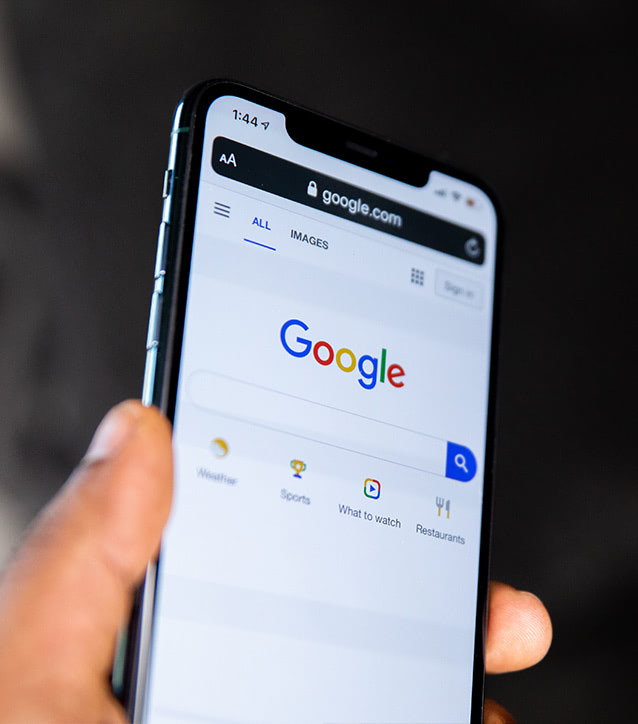
Your firm’s Name, Address, and Phone number (NAP) must be consistent across all online platforms. Create a spreadsheet to track where your business is listed online. Check that your information matches exactly on your website, Google Business Profile, legal directories, and social media profiles. Even small discrepancies can impact your local SEO performance.
5. Develop Local Link Building
Partner with local organizations, sponsor community events, and participate in local business groups to build natural backlinks to your website. You can also contact local news outlets when your firm is involved in noteworthy cases or community service.
The SEO experts at 714WEB advise,
“Your local link-building efforts should reflect genuine community involvement rather than just SEO strategy.”
Remember, while local SEO and general SEO strategies differ, they work best when implemented together. By understanding and utilizing both approaches, your law firm can create a comprehensive digital marketing strategy that attracts local clients and establishes broader authority in your practice areas.
Call the Law Firm SEO Experts at 714WEB
At 714WEB.com, we specialize in comprehensive SEO strategies tailored specifically for personal injury law firms. Our team of SEO experts understands the unique challenges and opportunities in the personal injury legal sector. We’ve helped numerous lawyers learn how to improve their local and general SEO, resulting in improved online visibility, increased high-quality leads, and ultimately, growth in their practice. Don’t let your personal injury law firm get lost in the digital shuffle.
Contact us today for a free consultation and discover how we can help you leverage SEO to attract more clients and cases.
Frequently Asked Questions About SEO Strategy
How does content strategy differ between local SEO and general SEO for law firms?
In local SEO, content often focuses on location-specific topics and keywords, such as “divorce lawyer in [City Name]” or local legal issues. General SEO, however, involves creating more comprehensive, authoritative content on broader legal topics and practice areas. While local SEO content might target immediate client needs, general SEO content aims to establish your firm’s expertise and authority in the legal field on a wider scale.
Can a law firm focus solely on local SEO and ignore broader SEO strategies?
While local SEO is crucial for attracting nearby clients, ignoring broader SEO strategies can limit your law firm’s online reach and authority. A comprehensive approach combining both local and general SEO attracts local clients while also establishing your expertise in the industry on a larger scale. This balanced strategy can be particularly beneficial if you’re looking to expand your practice or attract clients in specialized legal areas.
Is it necessary to have separate pages for each practice area in local SEO?
For local SEO, it’s often beneficial to have separate pages for each practice area, especially if targeting multiple locations. This allows for more specific location-based optimization and can help your firm rank for various legal services in different areas. In general SEO, however, the focus is often more on creating comprehensive, in-depth content for each practice area without necessarily emphasizing location on every page.
Glossary
1. Local Pack: The Local Pack is a feature in Google search results that displays three local businesses relevant to a user’s location-based query. For law firms, appearing in the Local Pack can significantly increase visibility to potential local clients and is a primary goal of local SEO efforts.
2. Citation Building: Citation building is the process of listing a law firm’s business information on various online directories and platforms. It’s a key component of local SEO that improves local search visibility and credibility, while also supporting NAP consistency efforts.
3. Domain Authority: Domain Authority is a search engine ranking score that predicts how well a website will rank on search engine result pages. For law firms, building domain authority through quality content and authoritative backlinks is a crucial aspect of general SEO strategy.

Jeremy Caris
With a disciplined background in the military and over 30 years in design and development, Jeremy serves as the technical backbone of 714Web. He has managed, designed, and launched over 300 website projects in the last decade alone. Currently, Jeremy leads the agency’s initiatives in AI development and custom solutions, leveraging ten years of Senior Developer experience to ensure client infrastructure is not just functional, but cutting-edge and scalable. Read more...